
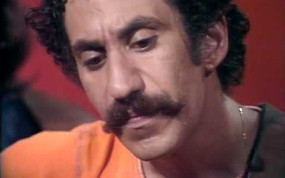
| "Time in a Bottle" | Jim Croce I've always loved this song. It's a beautiful melody with a beautiful sentiment. Enjoy! |
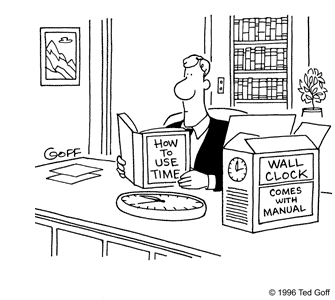

 "In the book we describe the “bifurcated world” that most people inhabit, in which they assume that the only way to solve social challenges is through government and charity and that the only purpose of business and investing is to make money. Impact investors reject that worldview. We recognize that for-profit investment can be both a morally legitimate and economically effective way to address social and environmental challenges."
 Editor’s note: A beautiful prayer by Leonard Cohen. Enough said. The words below are part of his introduction to the song at his 1985 Warsaw concert.
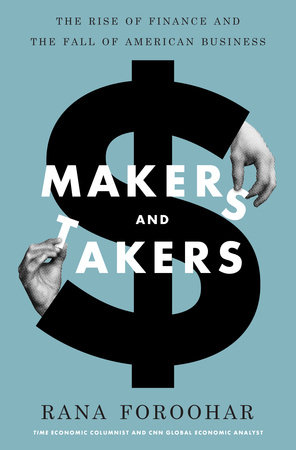
Editor’s note: Tell me if you’ve heard this before: “the financial system is ruining our democracy”. Right, me too. But Foroohar is not the Thomas Picketty or Tragic Idealist take, whose solutions are neo-socialistic such as redistribution of income. Foroohar offers five solutions in the last chapter and while they’re a bit idealisitic, they are fairly precise such as #1: Reduce complexity and leverage. I believe we will wake up one day, whether thoughtfully or rudely and return to a more traditional capitalism, using banks to finance investment, debt and long term growth. Financial firms will return to products that aid the creation of goods, services, innovation, research and advancements rather than engineered financial products that simply move debt around. In the meantime, I’ll continue to worry.
“You gotta get the hay out of the loft, down to where the horses can eat it”.
Editor’s note: Lee has been cited on the website before since for my money, he’s as good a poet songwriter as there is on the current music scene. I enjoy his voice, pacing, instrumentation and production values as well.
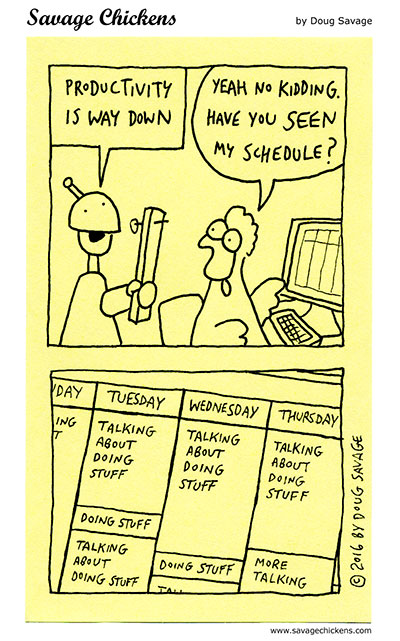
 Editor’s Note: Thanks to Joe Hartman, my pal and co-worker at WorkPlace, for bringing this and a few other songs to my attention from the era of last month’s song. It’s a toe-tapper with a lot of meaning since she (Gladys Knight) is trying to figure out how to use her imagination to “keep on keeping on”. Oh, man, I love this.


